Split redwood stakes and non-galvanized wire were used as the trellising
system to avoid the reflection of new metal, retaining the feel
of a 19th century vineyard.
The soils of the property are Pleasanton Loam and Yolo Loam. Both of these
are well drained soils on alluvial fans, allowing the roots of the vines to
go deep into the ground in search of water, thus requiring little irrigation.
The rootstocks chosen are especially well suited for the
terrain. The Estate's vineyard is farmed using organic methods.
As the Estate's terroir changes within the vineyard from 100 percent loam
in the eastern section to a more gravelly soil towards the west, an
individualized drip irrigation system allows select watering according to the
vines' needs.
Being located in the heart of the Rutherford appellation, the sun exposure
of the vineyard has a higher radiant value than other parts of Napa Valley.
This -- combined with cool evenings and the dusting of fog in the early mornings --
allows the fruit to ripen at a steady pace.
Come harvest time, the grapes are carefully hand picked in small
lots and segregated according to clones and soils, as well as their
specific maturity. As the vines are only a few feet away from the Estate
Winery, it is possible to get the grapes within minutes after picking onto
a sorting table, where they are hand sorted before making their way into
French oak and cement fermentation tanks.
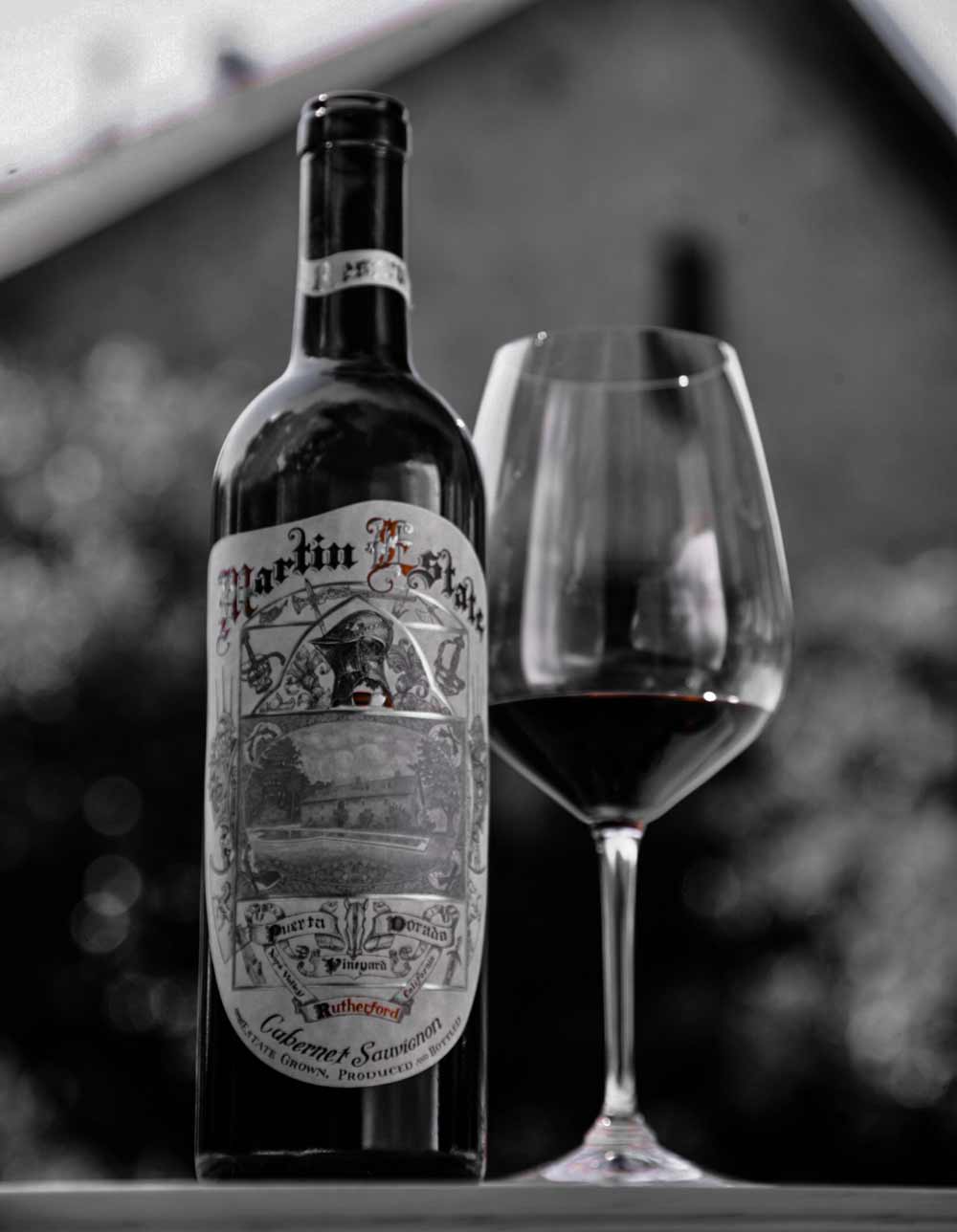
MARTIN ESTATE Cabernet Sauvignon is limited to what the vineyard yields,
and the wine's intensity mirrors its terroir.
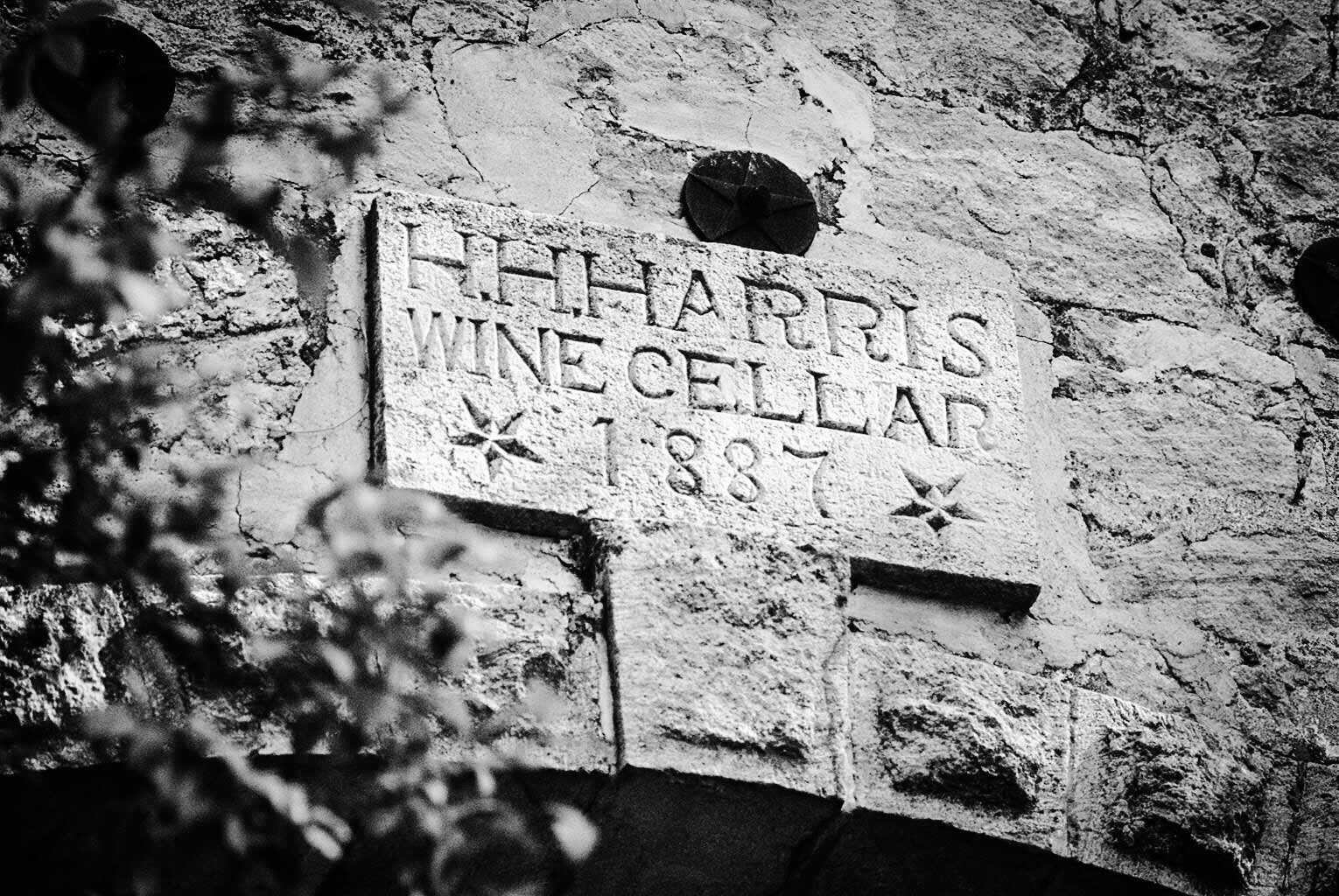
Greg Martin's intent was to restore the sense of a 19th century winery and
estate. Inside the stone chateau, the small state-of-the-art winery features
custom-made French oak fermentation tanks by Radoux, and a chai for barrel
aging that is also used for tastings.
|