History
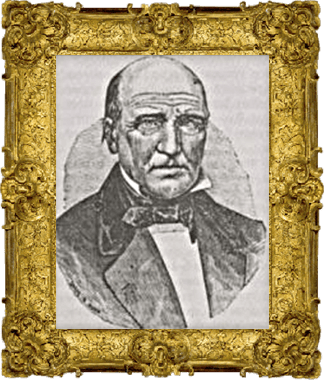
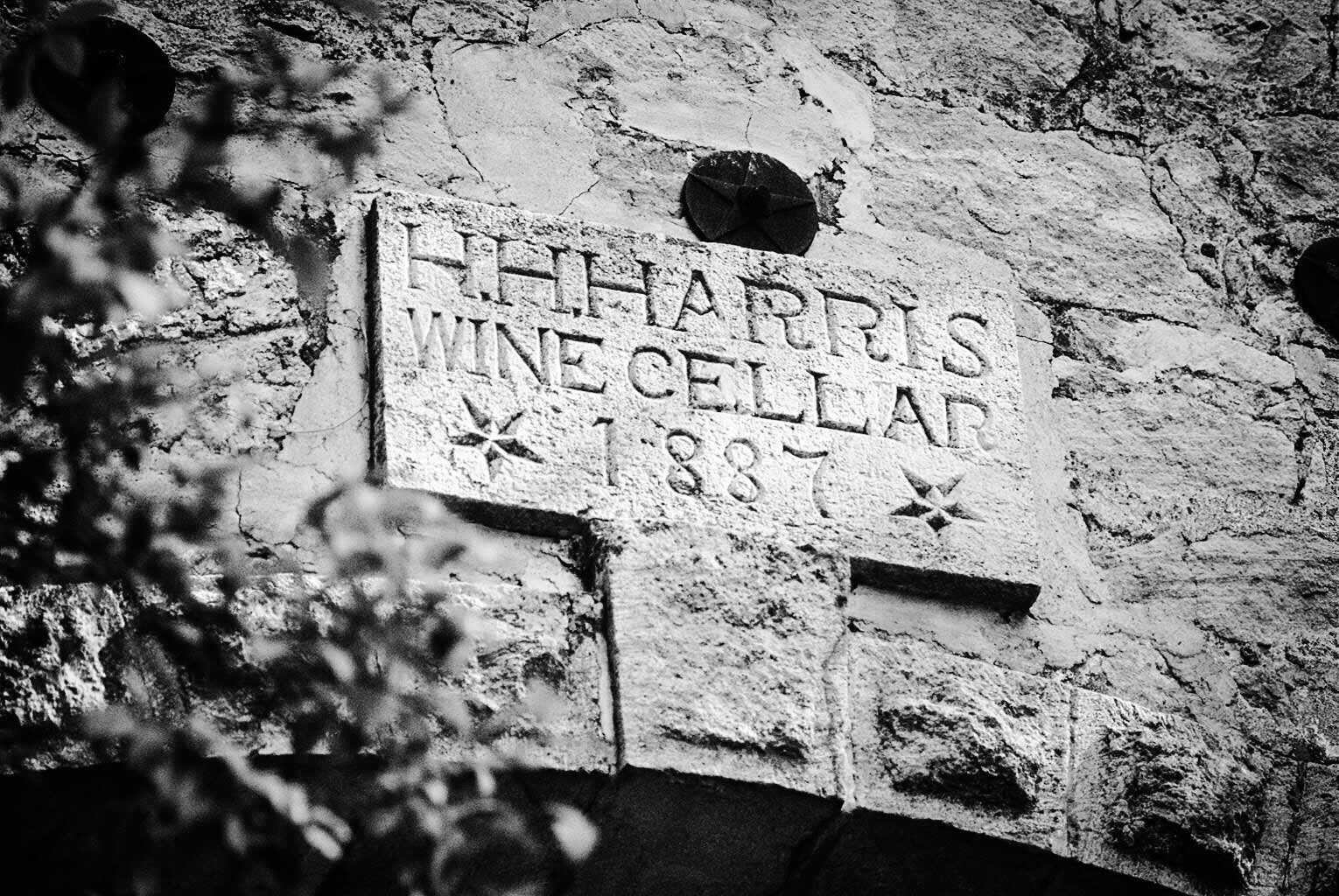
MARTIN ESTATE WINERY was built in 1887 by pioneer vintner
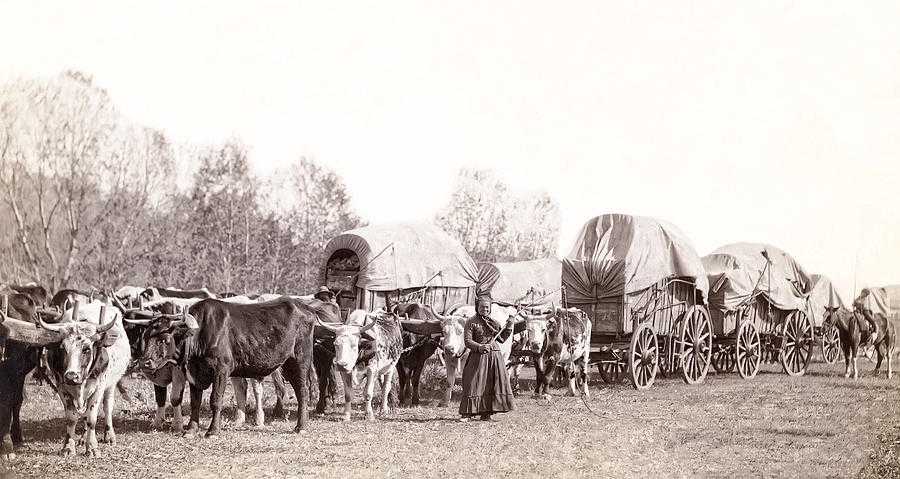
and then Napa County Sheriff Henry H. Harris. Harris arrived in the
In 1860, Henry Harris married Lurinda Stice and they spent their early-married life on
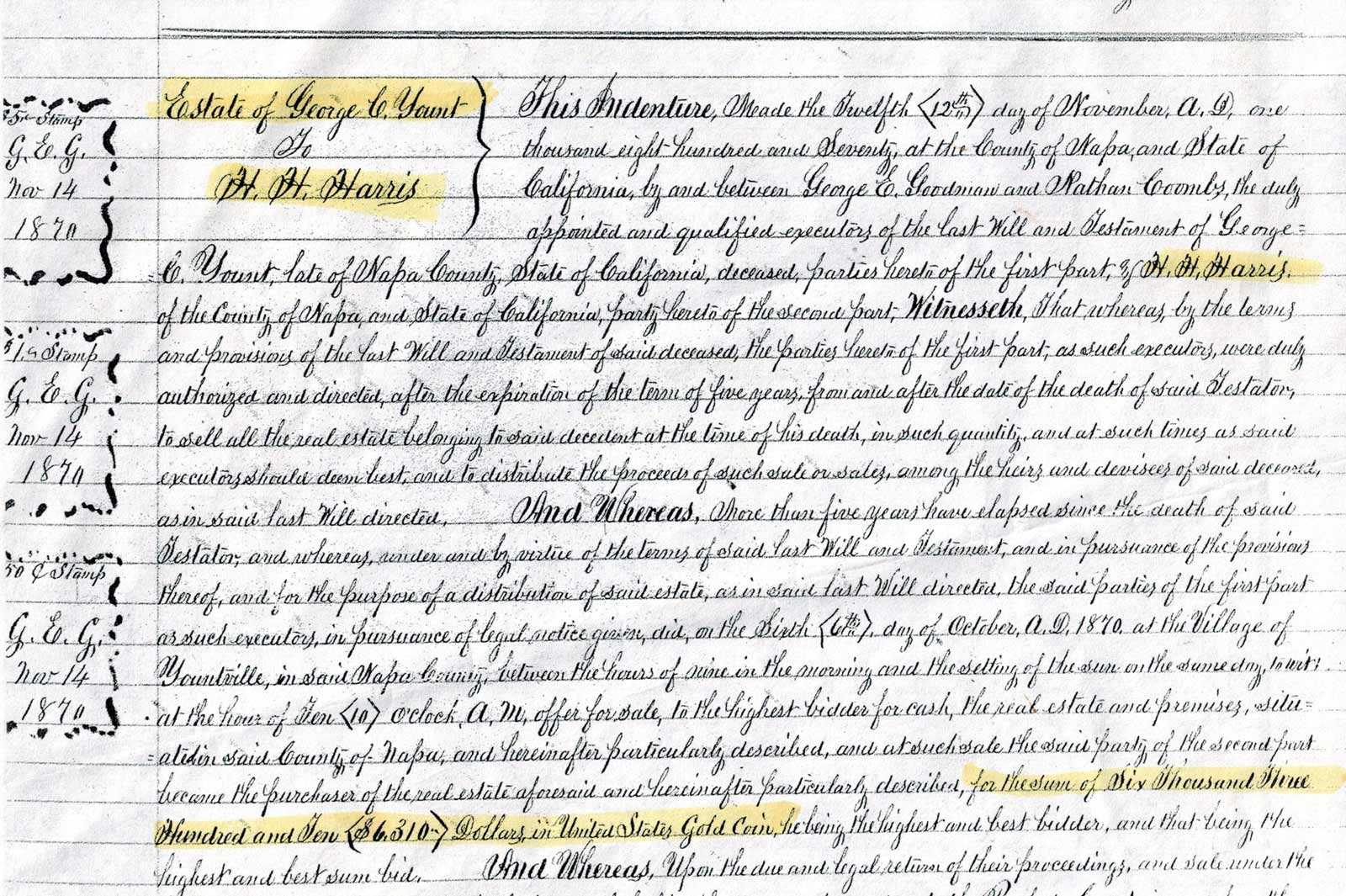
a farm near Yountville until 1870, when he purchased over 100 acres from the
Estate of George C. Yount with United States Gold Coins.
Captain Yount was the first white settler in the Napa Valley, and the only
one to receive a land grant from the Mexican government in 1836. The
12,000-acres he received were known as the Caymus Grant.
Yount planted the first vineyard in the Napa Valley
in 1838, and by 1860 he was making 5,000 gallons of wine. A part of his
MARTIN ESTATE is located in Block B of the original Caymus Land Grant, in
the heart of Napa Valley's premium Cabernet Sauvignon region now known as
the "Rutherford Appellation".
Henry Harris, who was known as one of the leading agriculturists of the
valley and had also figured very prominently in the public affairs of the
county, broke ground for his new wine cellar in 1887, with the St. Helena
Star reporting on May 27 "It (the winery) is to be of stone, two stories
high and 60 x 100 feet in size and to be completed by the middle of August.
It will have a capacity of from 100,000 to 200,000 gallons and will cost
about $10,000. Mr. Harris expects this year 350 or more tons from his 84
acres of vines."
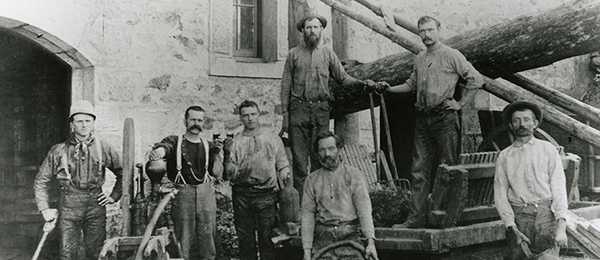
The property functioned as the H.H. Harris Winery until Prohibition. In 1909 Harris leased his fully equipped building to Georges de Latour who was looking for a facility as well as a good winemaker to teach his young apprentice Joseph Ponti. The Harris Winery was perfect for
The structure was outfitted with a crusher, a press and several redwood tanks, and the caretaker Henry Stice. Georges de Latour hired Stice, who was known as an excellent wine maker, for his first crush. The 1909 vintage crushed at the Harris Winery yielded some 50,000 gallons of wine, which would be the first wine sold under the Beaulieu Vineyard trademark. The set up for the winery was well thought out. The crusher was located on the second floor, a belt-driven conveyor ran from big double doors up to the crusher, and a chute, or series of chutes, ran from the crusher back down into the fermentation room. The chutes could be moved from tank to tank as each was filled with must. The next year, Georges de Latour again leased the old winery, producing a total of 100,000 gallons. This was the last time that wine was made in the magnificent H.H. Harris Winery. In 1941, the imposing stone building was renamed "Puerta Dorada" and transformed into an elegant country chateau. But the upkeep of the estate was not easy. Financial problems caused the property to fall into disrepair, and well over 50,000 bats called the structure home.
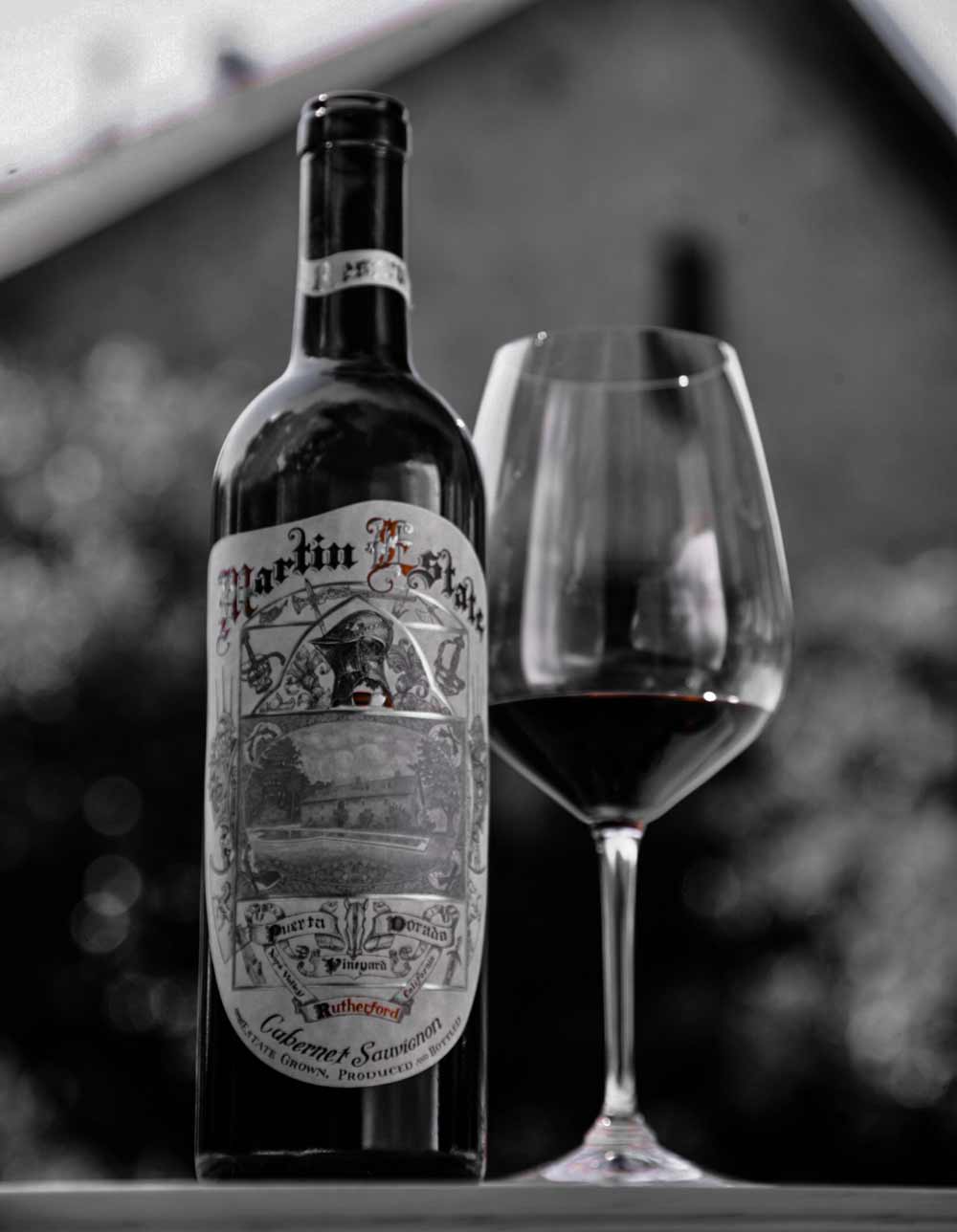
The property was purchased in 1996 by Greg and Petra Martin, both wine aficionados and collectors of fine art. They loved the heritage of the Harris Winery, and decided to do everything they could to restore and maintain its 18th and 19th century feel. The Estate Vineyard was planted, and the H.H. Harris Winery was resurrected as MARTIN ESTATE after ninety years of dormancy. Their first commercially released vintage was the 2001 MARTIN ESTATE Cabernet Sauvignon. Dedicated to making the very best wine from their eight acre vineyard that, with a nod to history, was named "Puerta Dorada", the Martin family embarked on their journey to produce Cabernet Sauvignons that would compare to the First Growths of Bordeaux. French trained award winning winemaker Aaron Pott was put in charge of pursuing this goal, and the result can be seen in MARTIN ESTATE's unsurpassed cellar equipment of custom made French cement Nomblot tanks, oak fermenters by Radoux, state-of-the-art stainless steel tanks by Jejeune, an Italian Mori basket press and the most discriminating sorting equipment that allows single berry selection and fermentation. Just as it was in 1887, all MARTIN ESTATE Cabernet Sauvignon is made on the premises, "Estate grown, produced and bottled".
|
© 2000-2013 Martin Estate
Rutherford, Napa Valley, California
Back Home Contact Us